How Does Laser Skin Treatment Work? Taha Ayurveda
September 12,2025
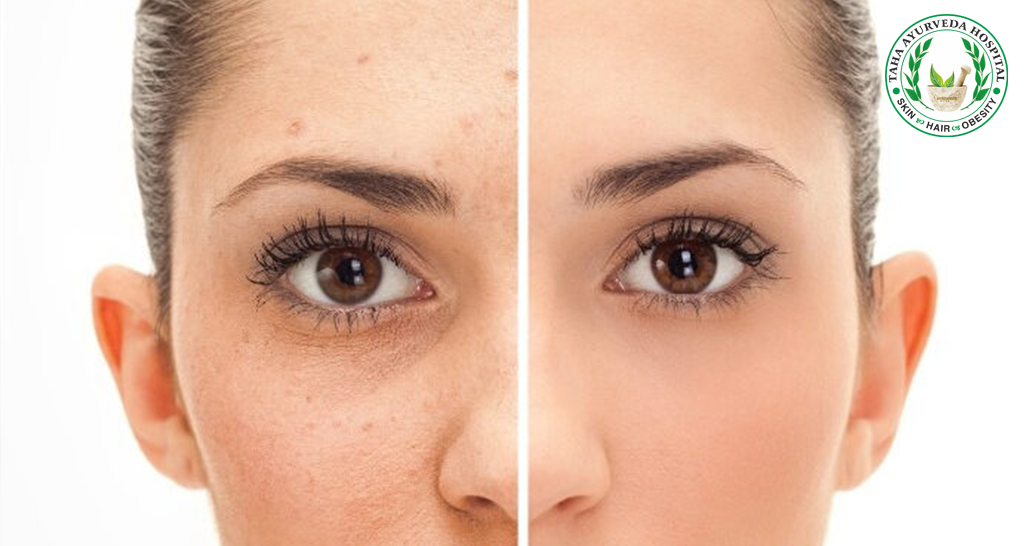
How Does Laser Skin Treatment Work? Taha Ayurveda
Laser treatment has become one of the most popular methods in modern dermatology for improving skin health and appearance. It uses focused beams of light energy to target specific skin issues without harming the surrounding tissues. Read more
Lasers produce a concentrated stream of light that penetrates the skin. Depending on the type of laser used, it can:
• Remove damaged or dead skin cells
• Stimulate new collagen production
• Reduce pigmentation, scars, or wrinkles
• Improve skin tone and texture
Types of Laser Treatments for Skin
1. Ablative Lasers
• Remove the outer layer of skin.
• Used for deep scars, wrinkles, and sun damage.
• Examples: CO₂ laser, Erbium laser.
2. Non-Ablative Lasers
• Work beneath the skin without removing the surface layer.
• Stimulate collagen growth for smoother, tighter skin.
• Examples: Nd: YAG laser, pulsed-dye laser.
3. Fractional Lasers
• Treat only small areas of skin at a time (like tiny “pixels”).
• Faster healing and fewer side effects.
• Commonly used for acne scars, pigmentation, and fine lines.
4. Benefits of Laser Skin Treatment
• Reduces wrinkles and fine lines
• Treats acne scars and surgical scars
• Improves skin tone and texture
• Minimizes pigmentation and age spots
• Tightens sagging skin
• Treats vascular conditions like spider veins or rosacea
5. Risks and Side Effects
Like any medical procedure, laser treatment has some risks, such as:
• Redness, swelling, or itching
• Temporary skin sensitivity
• Hyperpigmentation or hypopigmentation
• Rarely, scarring or infection
6. Aftercare Tips for Laser Treatment
• Avoid direct sun exposure and always use sunscreen.
• Keep the skin moisturized with doctor-recommended products.
• Avoid harsh skincare products until healing is complete
• Follow your dermatologist’s instructions carefully.
Who Should Consider Laser Treatment?
Laser treatments are suitable for people with:
• Acne scars
• Uneven skin tone or pigmentation
• Wrinkles and fine lines
• Sun-damaged skin
• Enlarged pores
However, individuals with very sensitive skin, active infections, or certain medical conditions should consult their dermatologi. Read more