How Laser Skin Treatment Works - A Comprehensive Guide
September 08,2025
How Laser Skin Treatment Works - A Comprehensive Guide
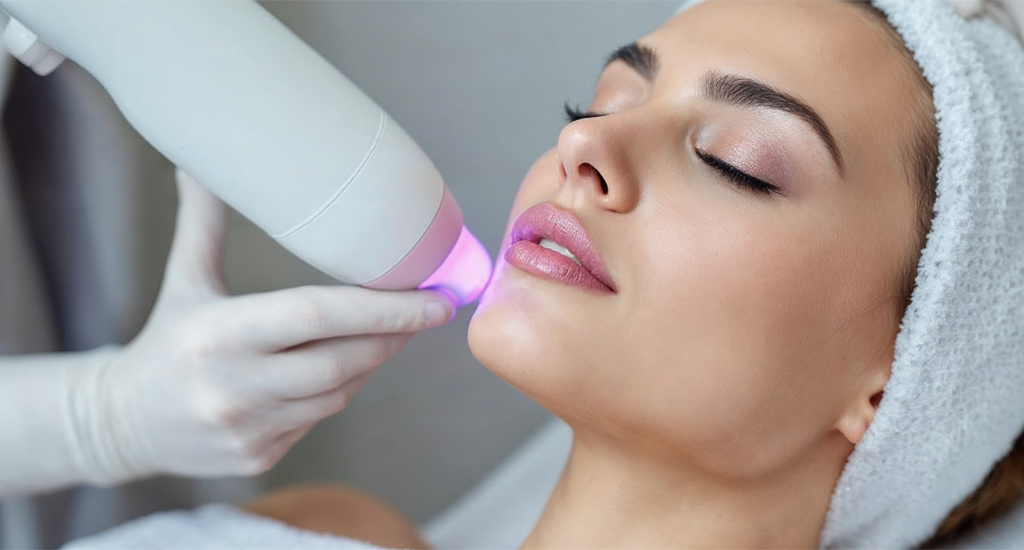
Laser skin resurfacing, also known as laser skin care, utilizes focused light beams to treat a range of skin issues, including acne scars, hyperpigmentation, and fine lines and wrinkles.
The
treatment makes the skin look smoother, firmer, and more youthful by removing
the damaged outer layer and stimulating the production of collagen.
The
treatment, cost, and outcomes can all be affected by the laser used, the number
of sessions, and the clinic.
Common laser
treatments for skin
• Ablative
lasers: These remove the thin outer layer of skin (epidermis) to address more
severe issues.
• CO2 laser
resurfacing: Vaporizes the top skin layers and effectively treats deep
wrinkles, scars, and sun damage.
• Erbium
(Er: YAG) laser resurfacing: Removes surface-level and moderately deep lines
and wrinkles, with fewer side effects than CO2 lasers.
•
Non-ablative lasers: These heat the underlying skin tissue to stimulate
collagen growth without removing the top layer, resulting in less downtime.
• Pulsed dye
laser (PDL): Targets oxyhemoglobin, making it ideal for treating vascular
issues like spider veins, rosacea, and reddish acne scars.
• Nd: YAG
laser: A deep-penetrating laser that improves skin texture and tone while
addressing pigmentation concerns.
• Fractional
lasers: These create tiny microthermal zones in the skin while leaving the
surrounding tissue intact.
They offer significant resurfacing with
moderate downtime. Fractional lasers can be either ablative or non-ablative.
• Intense
Pulsed Light (IPL): Though not a true laser, it uses a broader spectrum of
light to treat sun damage, freckles, and redness.
Benefits:
• Reduces
the appearance of fine lines, wrinkles, and acne scars.
• Improves
skin tone and texture.
• Tightens
skin by stimulating collagen production.
•
Effectively treats sun damage, age spots, and some birthmarks.
• Minimally
invasive options offer faster recovery than surgery.
Risks:
• Side
effects: Temporary redness, swelling, and minor infections are possible, particularly
with ablative lasers.
•
Hyperpigmentation/Hypopigmentation: Darker or lighter patches of skin can
occur, especially in those with darker skin tones.
• Scarring:
Though rare, improper procedure or infection can lead to scarring.
• Discomfort: Patients may experience stinging or itching during and after the procedure.
Visit our Laser Skin Care Clinic: Taha Ayurveda Hospital, Anantapur, Andhra -515001, Contact: 73994 42222