How to Manage Alopecia: Essential Tips and Tricks | Taha Ayurveda
August 29,2025
How to Manage Alopecia: Essential Tips and Tricks | Taha Ayurveda |
Anantapur
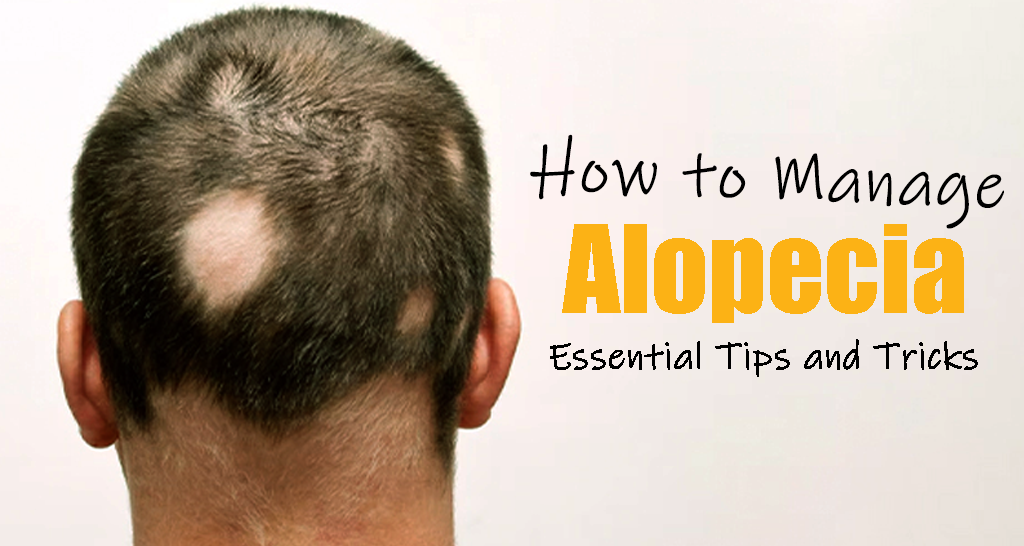
Understanding Alopecia: A Comprehensive Guide to Hair Loss and Treatment Options, Alopecia areata is one of the autoimmune diseases that cause hair loss, with round patches of this phenomenon appearing on the scalp and other parts of the body. Alopecia causes the hair follicles to be attacked by the immune system, which leads to hair loss. So technically, alopecia areata can cause hair loss in both genders, all age groups, but it is mostly observed in young people. Treatment should begin with an understanding of what causes it, as well as what the symptoms are.
Hair loss, or alopecia, can be caused by genetics, hormonal changes, autoimmune conditions like alopecia areata, medical treatments like chemotherapy, or physical or emotional stress, certain infections like ringworm, hairstyles that are too tight, and deficiencies in nutrition Hereditary conditions like male and female pattern baldness and autoimmune conditions like alopecia areata, in which the immune system attacks hair follicles, are two common causes of alopecia (hair loss). Hormonal changes brought on by menopause or pregnancy, medical treatments like chemotherapy, extreme physical or emotional stress, certain medications, and nutritional deficiencies are additional contributors. scalp infections and excessively tight hairstyles (traction alopecia). Ayurveda is a system of alternative medicine that dates back to the Indian subcontinent. Ayurveda is widely practiced in India and Nepal, where as many as 80% of people say they use it. Ayurveda is pseudoscientific in both theory and practice, and numerous ayurvedic medicines contain toxic metals like lead and mercury.
Hormonal Changes:
The natural cycle of hair growth can be disrupted by hormonal changes, resulting in hair loss or thinning. This happens when certain hormones stimulate or shrink hair follicles, or when imbalances trigger an inflammatory or autoimmune response. Both men and women experience hormonal hair loss, which can be brought on by a variety of factors, such as age, health issues, and genetics.
Autoimmune Conditions:
Alopecia areata, an autoimmune condition, causes sporadic hair loss by attacking the hair follicles in the body. Your hair can regrow with the help of medications and treatments, but severe cases may not respond to treatment.
Indralupta, an Ayurvedic treatment for alopecia, focuses on balancing the body's doshas, especially Pitta, and uses herbs, detoxification, and alteration in lifestyle. Treatments can include Shaman therapies like oil massages and herbal preparations such as Bhringraj, Shodhan therapies (detoxification) like Shirodhara and Panchakarma, and topical treatments like Karanj oil or onion juice. This holistic approach also includes a well-balanced diet, stress reduction through yoga and meditation, and adequate sleep.
Genes:
Segments of DNA that carry instructions for building and maintaining an organism.
Physical or Emotional Stress Remedies
Stress Management: Stress, a common cause of alopecia, can be reduced through yoga, meditation, and getting enough sleep.
Panchakarma:
A comprehensive cleansing process involving five treatments, including Shirodhara for stimulating hair follicles. Scalp Infections: A common but difficult condition that affects the skin and hair follicles of the scalp. It causes itching, flaking, redness, and hair loss from a fungus. Fungal infections can weaken the hair roots, cause scalp inflammation, and even result in temporary or permanent hair loss if left untreated.
Hair Styling Practices:
Hair styling practices can cause a type of hair loss called Traction Alopecia, characterized by hair loss from repeated tension on hair follicles.
often seen with tight braids, weaves, cornrows, high ponytails, and extensions. Choosing looser hairstyles like low buns or clip-ins, reducing heat and chemical treatments, and avoiding these practices can help manage this condition.
Nutritional Deficiencies: A lack of essential nutrients, particularly iron or protein, can contribute to hair loss. Emphasize fruits, milk, and ghee, while minimizing spicy and fermented foods to balance the Pitta dosha.

How to deal with alopecia emotionally?
Find assistance. You are not alone. You can connect with other people who are going through the same difficulties as you by joining a variety of support groups.
These groups can help you manage your feelings, provide a supportive network, and build your self-esteem to help you cope with the challenges ahead.
Foods to avoid: Gluten-containing foods: breads, tortillas, wraps, cakes, crackers, and other items containing gluten
Fast food: fried chicken, French fries, hamburgers, chicken nuggets, pizza
Refined grains: white bread, white pasta, instant noodles, bagels, etc.
Ultra-processed snack foods and meals: chips, some frozen dinners, sugary granola bars, boxed mac and cheese
Processed meat products: bacon, lunch meats, sausage, hot dogs.
Added sugars: table sugar, sweetened drinks like soda, cookies, ice cream, pastries, candy, sugary cereals, sweetened yogurts
Symptoms:
Patchy Hair Loss
Thin or Missing Hair
Itching or Tingling
Alopecia Treatment Options:
If you have alopecia areata, a diet rich in the following foods may improve your symptoms and provide additional protective benefits.
Internal Herbs:
Amla: Amla (Indian Gooseberry) is rich in vitamin C and antioxidants, supporting overall hair health.
Bhringraj: Known as the "king of herbs for hair," Bhringraj promotes hair growth and reduces stress.
Neem: Its antibacterial properties and blood-purifying qualities are beneficial for scalp health.
Triphala: This combination of three fruits detoxifies the body and aids digestion.
Guggulu: Helps balance metabolism and detoxify the body.
Vegetables: broccoli, sweet potatoes, butternut squash, garlic, cauliflower, spinach, carrots, asparagus, peppers
Fruits: citrus fruits, cherries, apples, berries, peaches, pears, pineapple, grapes
Healthy fats: olive oil, avocados, nuts, seeds, nut butter, coconut oil, unsweetened coconut
Whole grains: brown rice, rolled oats, farro, quinoa, brown rice pasta, barley
Legumes: chickpeas, lentils, black beans
Protein sources: seafood, eggs, chicken, tofu, turkey, beef. Spices, herbs, and seasonings: rosemary, turmeric, basil, sage, cinnamon, ginger
Topical Remedies:
Karanj Oil: A medicated oil effective for baldness and dandruff.
Onion Juice: Applied to the scalp, its sulfur content promotes circulation and new hair growth.
Gunjabeeja Lepa: A paste made from the seeds of Abrus precatorius applied to the scalp.
Several potent Ayurvedic herbs are effective in treating alopecia areata:
Bhringraj (Eclipta alba):
This is called the "king of herbs" for hair because it feeds the scalp, strengthens the hair roots, and helps the hair grow.
Additionally, it reduces stress, which is a primary triggering factor in alopecia areata.
"This is for informational purposes only. For medical advice or a diagnosis, consult a professional." Taha Ayurveda