Obesity and Its Relation to Mental Health
September 10,2025
Obesity and Its Relation to Mental Health
Obesity is not only a physical health condition
but also a psychological and social challenge. Defined as an excessive
accumulation of body fat that poses health risks, obesity is commonly linked to
medical issues such as diabetes, hypertension, and cardiovascular diseases.
However, its connection with mental health
is equally important yet often overlooked.
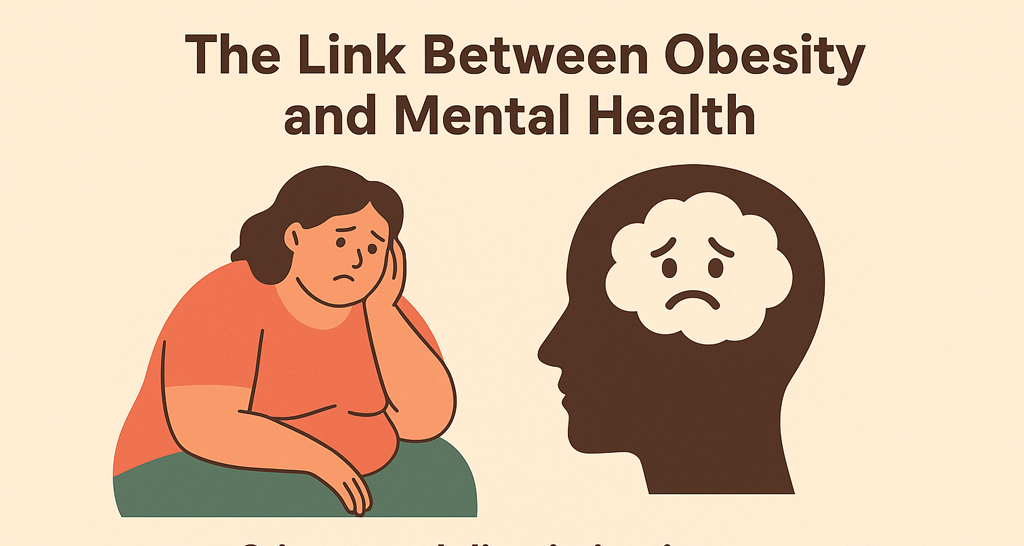
The Link Between Obesity and Mental Health
1.
Emotional Impact of
Obesity
o Many
individuals with obesity face stigma and
discrimination, which can lead to low self-esteem, social withdrawal,
and feelings of shame.
o These
emotional struggles may increase vulnerability to conditions like depression and anxiety disorders.
2.
Depression and
Obesity
o Research
shows a two-way relationship: obesity can increase the risk of depression, and
depression can lead to unhealthy eating habits and reduced physical activity,
further worsening obesity.
o Emotional
eating, often triggered by stress or sadness, reinforces this cycle.
3.
Anxiety Disorders
o Social
anxiety and fear of negative judgment are common among people with obesity.
o Public
situations, such as attending social gatherings or exercising in public spaces,
may heighten stress and avoidance behaviours.
4.
Eating Disorders
o Binge
eating disorder (BED) is strongly associated with obesity. People may use food
as a coping mechanism for emotional pain, which further impacts both physical
and mental health.
5.
Cognitive and
Psychological Stress
o Obesity
has been linked to chronic stress,
which affects brain functioning and memory.
o Hormonal
imbalances (like cortisol elevation) caused by stress can also worsen weight
gain, creating a harmful cycle.
Biological and Psychological Mechanisms
·
Neurochemical
Factors: Changes in neurotransmitters like dopamine and serotonin
(which regulate mood and appetite) can contribute to both depression and weight
gain.
·
Sleep
Disturbances: Obesity often causes sleep apnea and poor sleep quality,
which are linked to mood disorders.
·
Inflammation:
Chronic inflammation, common in obesity, may also play a role in depression and
cognitive decline.
Breaking the Cycle
1.
Holistic
Treatment
o Addressing
obesity requires not just diet and exercise, but also mental health support such as counselling and stress
management.
2.
Behavioral
Therapy
o Cognitive
Behavioral Therapy (CBT) can help people develop healthier coping mechanisms
and reduce emotional eating.
3.
Lifestyle Changes
o Regular
physical activity improves both weight and mood by releasing endorphins.
4.
Social Support
o Family,
friends, and support groups help reduce isolation and stigma.
5.
Medical
Interventions
o In
some cases, medications or bariatric surgery may be necessary, often combined
with psychological care.
Conclusion
Obesity and mental health are deeply intertwined, influencing each other in a cycle that can be difficult to break. Understanding this relationship is crucial for providing effective and compassionate treatment. Tackling obesity should focus not only on physical appearance or weight on a scale, but also on the emotional and psychological well-being of individuals.
📞 Call Now:73994 42222
📍 Visit Us: Sai Nagar main road, Anantapur -515001
🌐 Learn More: www.tahaayurveda.com