Hair Disease Treatment-Restoring Health and Confidence
September 09,2025
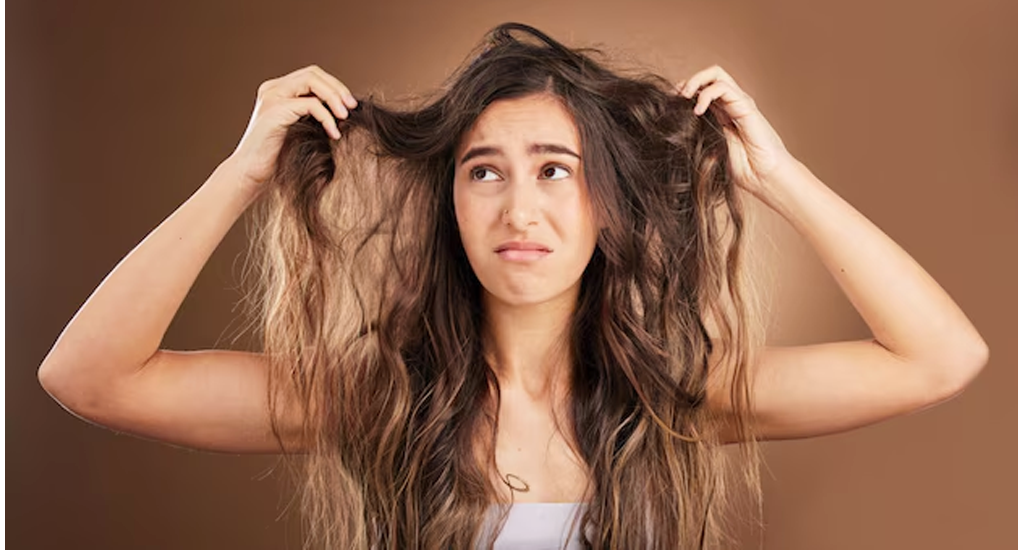
Hair is often seen as a symbol of beauty, health, and confidence. However, many people suffer from hair diseases that affect growth, texture, and overall scalp health. Conditions such as dandruff, alopecia, scalp infections, and premature hair loss can be distressing, but with the right treatment, they can be effectively managed.
- Common
Hair Disease
1. Alopecia Areata – An autoimmune disorder that causes patchy hair loss.
2. Androgenetic Alopecia (Male or Female Pattern Baldness) – Genetic condition leading to gradual hair thinning.
3. Seborrheic Dermatitis – A scalp disease that causes dandruff, itching, and inflammation.
4. Scalp Psoriasis – Red, scaly patches on the scalp.
5. Fungal or Bacterial Infections – Ringworm, folliculitis, or other scalp infections that weaken hair roots.
6. Telogen Effluvium – Sudden hair shedding often caused by stress, illness, or hormonal changes.
- Hair Disease Treatments
1. Medical Treatments
• Topical solutions: Minoxidil and other medicated lotions to stimulate growth.
• Oral medications: Finasteride or other prescribed drugs for pattern baldness.
• Antifungal/antibacterial treatments: Shampoos or medicines to treat infections.
• Steroid injections: For conditions like alopecia areata.
2. Advanced Clinical Treatments
• Platelet-Rich Plasma (PRP) Therapy: Uses growth factors from the patient’s own blood to boost hair regrowth.
• Scalp Micropigmentation (SMP): Cosmetic tattooing that creates the look of fuller hair.
• Laser Therapy: Low-level laser devices stimulate hair follicles.
• Hair Transplant Surgery: Moving healthy hair follicles to bald areas.
3. Natural & Lifestyle Approaches
• Balanced diet rich in protein, vitamins, and minerals.
• Herbal remedies such as aloe vera, amla, or rosemary oil.
• Stress management through yoga, meditation, or exercise.
• Proper scalp hygiene with mild, medicated shampoos.
- Choosing the Right Treatment
The right treatment depends on:
• The cause of hair disease (genetic, medical, or lifestyle).
• The extent of hair loss (mild, moderate, or severe).
• Individual needs and medical history.
Consulting a dermatologist or trichologist is the best way to identify the cause and start an effective treatment plan.
- Final Thoughts
Hair diseases can affect anyone, regardless of age or gender. While they may cause emotional stress, modern medical science and natural therapies offer many solutions. With proper diagnosis, timely treatment, and healthy habits, it is possible to restore hair health and rebuild confidence